
Differently-Abled Pride Month: Celebrating Inclusion, Empowerment, and Awareness
I think ‘differently-abled’ is the more respectful, inclusive term, but ‘Disability Pride Month’ is still the official name, observed every July in the United States. It’s a time to honor the history, achievements, experiences, and struggles of the disability community. With over one billion people globally living with a disability, this month brings critical visibility to issues of accessibility, inclusion, and disability rights.
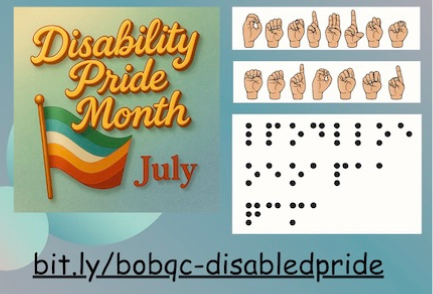
In this blog post, we’ll explore the origins of Disability Pride Month, why it matters, and how individuals, organizations, and communities can participate meaningfully. Ann Magill, a woman with cerebral palsy, created the Disability Pride Flag in 2019. Each of the colors represents a distinct part of the differently-abled community.
- Red: physical disabilities.
- Gold: neurodiversity
- White: non-visible and undiagnosed disabilities
- Blue: emotional and psychiatric disabilities
- Green: sensory disabilities
What Is Disability Pride Month?
Disability Pride Month is a celebration of people with disabilities and the contributions they make to our communities. It’s rooted in the civil rights movement and the ongoing fight for disability justice.
Key Facts About Disability Pride Month:
- Held every July in the United States
- Commemorates the signing of the Americans with Disabilities Act (ADA) on July 26, 1990
- Promotes visibility, acceptance, and representation of people with disabilities
- Encourages people to embrace disability as a natural and valuable part of diversity
The History of Disability Pride Month
Disability Pride Month was first officially recognized in 1990, the same year the Americans with Disabilities Act (ADA) became law. The first Disability Pride Parade was held in Boston in 1990, followed by events in cities like New York, Chicago, and Los Angeles.
Important Milestones in Disability Rights:
- 1973: Section 504 of the Rehabilitation Act prohibits disability-based discrimination in federally funded programs
- 1990: ADA signed into law, protecting the rights of people with disabilities in employment, transportation, public accommodations, and more
- 2006: UN adopts the Convention on the Rights of Persons with Disabilities (CRPD)
- 2020: 30th anniversary of the ADA, with renewed focus on accessibility and equity
Why Disability Pride Month Matters
Disability Pride Month challenges harmful stereotypes and promotes disability inclusion, accessibility, and equal rights. It fosters a culture of empowerment and self-advocacy among people with disabilities and their allies.
Key Reasons to Celebrate Disability Pride:
- Raises awareness of systemic barriers and ableism
- Promotes accessibility in public and digital spaces
- Celebrates the diverse experiences and identities within the disability community
- Encourages inclusive policies in schools, workplaces, and governments
Understanding the Disability Pride Flag
The Disability Pride Flag symbolizes the diversity and strength of the disability community. It was redesigned in 2021 for improved accessibility.
Meaning of the Disability Pride Flag Colors:
- Green: Sensory disabilities
- Blue: Emotional and psychiatric disabilities
- White: Invisible and undiagnosed disabilities
- Gold: Neurodivergence
- Red: Physical disabilities
- Black background: Mourning for victims of ableist violence
How to Honor Disability Pride Month
Whether you’re part of the disability community or an ally, there are many ways to participate in Disability Pride Month and promote disability justice.
Ways Individuals Can Participate:
- Educate yourself on disability rights and ableism
- Read books by disabled authors
- Share stories from the disability community on social media
- Attend a Disability Pride Parade or local event
- Support businesses owned by people with disabilities
Ways Organizations Can Show Support:
- Conduct disability awareness training for employees
- Audit digital content for accessibility (alt text, captions, screen reader compatibility)
- Invite disabled speakers to share their experiences
- Donate to disability advocacy organizations
- Update policies to ensure workplace accommodations and inclusion
Disability Pride Is Year-Round
While July is dedicated to Disability Pride, the work of creating inclusive, accessible environments should continue year-round. By recognizing disability as a vital part of human diversity, we can build a more equitable society for all.
Continue Advocating Beyond July:
- Celebrate Neurodiversity Celebration Week (March)
- Recognize World Down Syndrome Day (March 21)
- Promote awareness on International Day of Persons with Disabilities (December 3)
Final Thoughts: Embracing Disability as Identity
Disability Pride Month is more than just a celebration; it’s a movement. It reminds us that disability is not a weakness, but a source of strength, identity, and community. By amplifying disabled voices, removing barriers, and fostering inclusion, we move closer to a truly accessible world.
Books!
There are lots of books for students in 2nd through 12th grade and young adults that feature characters with disabilities, many of which have appeared in Battle of the Books or similar reading competitions. These selections span a range of disabilities (physical, neurological, and emotional) and promote empathy, resilience, and inclusion. They help readers develop empathy, understanding, and respect for people of all abilities.
I decided to stop providing links to titles on Amazon because I don’t want to take business away from smaller bookstores or the libraries. So, most of the links below to books are to Libby, the library app and website, so you can check them out for free. You might have to change libraries and input your own library card number, depending on where you live. Three of the titles, highlighted in yellow, I couldn’t find in the library, so the link is to Goodreads.

Grades 2–5
Better with Butter by Victoria Piontek
Disability: Generalized Anxiety
Used in BoB: Yes – One of the 2026 Oregon Battle of the Books Elementary Level titles
A Boy Called Bat
Disability: Autism
Used in BoB: Yes
Aven Green: Sleuthing Machine by Dusti Bowling
Disability: Limb difference
Used in BoB: Yes (some regional lists)
Why it matters: Aven solves mysteries while navigating life without arms, using humor and resourcefulness.
El Deafo by Cece Bell
Disability: Deafness
Used in BoB: Yes (frequent)
Why it matters: This graphic memoir makes deaf culture and hearing devices relatable to younger readers.
Out of My Mind by Sharon M. Draper
Disability: Cerebral palsy
Used in BoB: Yes (widespread)
Why it matters: A powerful story about a girl who can’t speak but refuses to be silent.
Rules by Cynthia Lord
Disability: Autism (brother has it; protagonist is neurotypical)
Used in BoB: Yes (frequently)
Why it matters: Highlights the complexities of being a sibling to someone with a disability.
Song for a Whale by Lynne Kelly
Disability: Deafness
Used in BoB: Yes
Why it matters: A deaf girl connects with a whale that can’t communicate with its pod—beautiful metaphor for isolation and connection.
The War That Saved My Life by Kimberly Brubaker Bradley
Disability: Clubfoot
Used in BoB: Yes (widely used)
Why it matters: Set in WWII, it follows a girl who escapes abuse and discovers her worth.
My Three Best Friends and Me, Zulay by Cari Best (Goodreads Link)
Disability: Blindness
Summary: Zulay is a confident and spirited blind girl who wants to run in her school’s Field Day race. With the help of her teacher and friends, she trains with a special running guide.
Themes: Friendship, independence, inclusion
Emmanuel’s Dream: The True Story of Emmanuel Ofosu Yeboah by Laurie Ann Thompson
Disability: Limb difference
Summary: This inspiring picture book tells the true story of Emmanuel, who was born in Ghana with only one leg and went on to cycle across the country to raise awareness for people with disabilities.
Themes: Determination, activism, disability pride
Rescue and Jessica: A Life-Changing Friendship by Jessica Kensky and Patrick Downes
Disability: Mobility impairment
Summary: Based on the true story of a girl and her service dog after she loses her legs. This book offers a beautiful portrayal of how service animals help children with disabilities.
Themes: Service animals, recovery, resilience
We’re All Wonders by R.J. Palacio (Goodreads Link)
Disability: Craniofacial difference
Summary: A picture book companion to Wonder, this story is told from Auggie’s point of view and emphasizes kindness and seeing the beauty in everyone.
Themes: Empathy, kindness, acceptance
The Junkyard Wonders by Patricia Polacco (Goodreads Link)
Disability: Learning differences
Summary: Based on the author’s own experience, this story celebrates a classroom of students labeled as “special needs” who discover their strengths and talents.
Themes: Empowerment, teachers, teamwork
Grades 6–8
Ellen Outside the Lines by A.J. Sass (one of the 2026 Oregon Battle of the Books Middle School level titles)
Disability: Autism
Used in BoB: Yes
Fish in a Tree by Lynda Mullaly Hunt
Disability: Dyslexia
Used in BoB: Yes
Why it matters: Celebrates different ways of thinking and the power of a great teacher.
Insignificant Events in the Life of a Cactus by Dusti Bowling
Disability: Limb difference
Used in BoB: Yes
Why it matters: Aven’s journey to self-acceptance is authentic, witty, and empowering.
Wonder by R.J. Palacio
Disability: Craniofacial difference (Treacher Collins syndrome)
Used in BoB: Yes (national and regional lists)
Why it matters: A modern classic about kindness, identity, and inclusion.
Can You See Me? by Libby Scott & Rebecca Westcott
Disability: Autism
Used in BoB: Yes (UK and U.S. regional lists)
Why it matters: Co-written by a real autistic teen, this book gives authentic insight into sensory experiences and masking.
Grades 9–12 / Young Adult
Of Mice and Men by John Steinbeck
Disability: Developmental Delay
Used in BoB: Yes (Some HS lists)
Marcelo in the Real World by Francisco X. Stork
Disability: Autism spectrum
Used in BoB: Yes (some HS lists)
Why it matters: Marcelo must navigate the “real world” in a law firm while staying true to himself.
The Running Dream by Wendelin Van Draanen
Disability: Amputation / mobility impairment
Used in BoB: Yes (high school level)
Why it matters: A track star loses her leg and must reimagine her identity, friendships, and goals.
13. A Time to Dance by Padma Venkatraman
Disability: Amputation
Used in BoB: Yes (middle/high school lists)
Why it matters: A novel in verse about a classical dancer in India who reclaims her passion after an accident.
14. Six of Crows by Leigh Bardugo
Disability: Mobility impairment (Kaz has chronic pain and uses a cane)
Used in BoB: Sometimes, depending on the region
Why it matters: A fantasy heist with strong disability rep, especially in a genre where this is rare.
15. Say What You Will by Cammie McGovern
Disability: Cerebral palsy and OCD
Used in BoB: Select high school lists
Why it matters: A friendship-turned-romance between two teens learning how to support each other and themselves.
More Titles featuring characters with different abilities:
Absolutely Alfie and the Furry, Purry Secret by Sally Warner – Alfie’s brother has a speech delay
Tru and Nelle by G. Neri – (Tru has signs of neurodivergence; historical fiction)
Anything But Typical by Nora Raleigh Baskin – (Autism)
Hello, Universe by Erin Entrada Kelly – (Selective mutism, vision impairment) –
Mockingbird by Kathryn Erskine – (Autism)
Katie and the Cupcake Cure by Coco Simon – Features a character with diabetes
Pedro’s Big Goal by Fran Manushkin – Pedro wears glasses and deals with anxiety